
MAGEVAL
Launched in 2021, MAGEVAL was designed to meet the growing demand for experts in public policy evaluation, catering to both Global North and Global South contexts. Students pursue careers in the analysis and evaluation of public action across numerous fields (social, health, environment, employment, innovation, etc.) within France and Europe. They also move into development-related roles (development agencies, international organizations, NGOs, etc.).

Curriculum
The program includes a wide range of specialized courses and professional guest lectures in the following areas:
Thematic courses focused on Public Policy in Global North countries: Health Policy; Natural Resource Economics; Innovation Policy; Labor Economics; Migration; Gender Economics; etc.
Thematic courses focused on Development: Development Economics; Institutions and Development; Population Dynamics; Health, Nutrition, and Development; Labor, Migration, and Urbanization; etc.
Core courses: Advanced Microeconomics and Public Economics; Political Economy; Economics of Inequality; Macroeconomics; etc.
Methodological and Quantitative tools: English, Soft Skills, and high-level quantitative training: Econometrics, Impact Evaluation (randomized controlled trials, natural experiments, etc.), Python / R / Stata / Machine Learning, Spatial Econometrics (and GIS), Experimental Economics & Applied Game Theory, Microsimulation, Survey Techniques, etc.

Professional Network
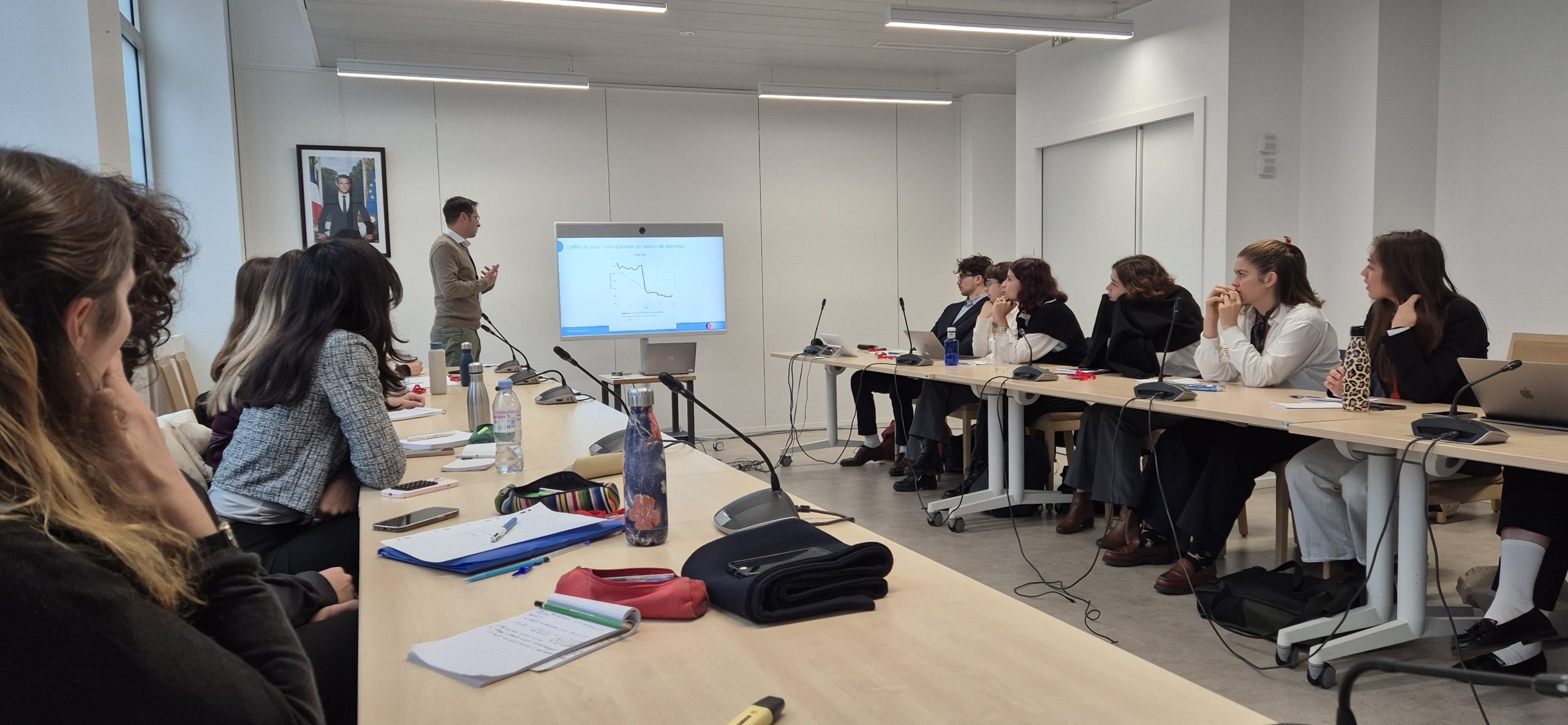
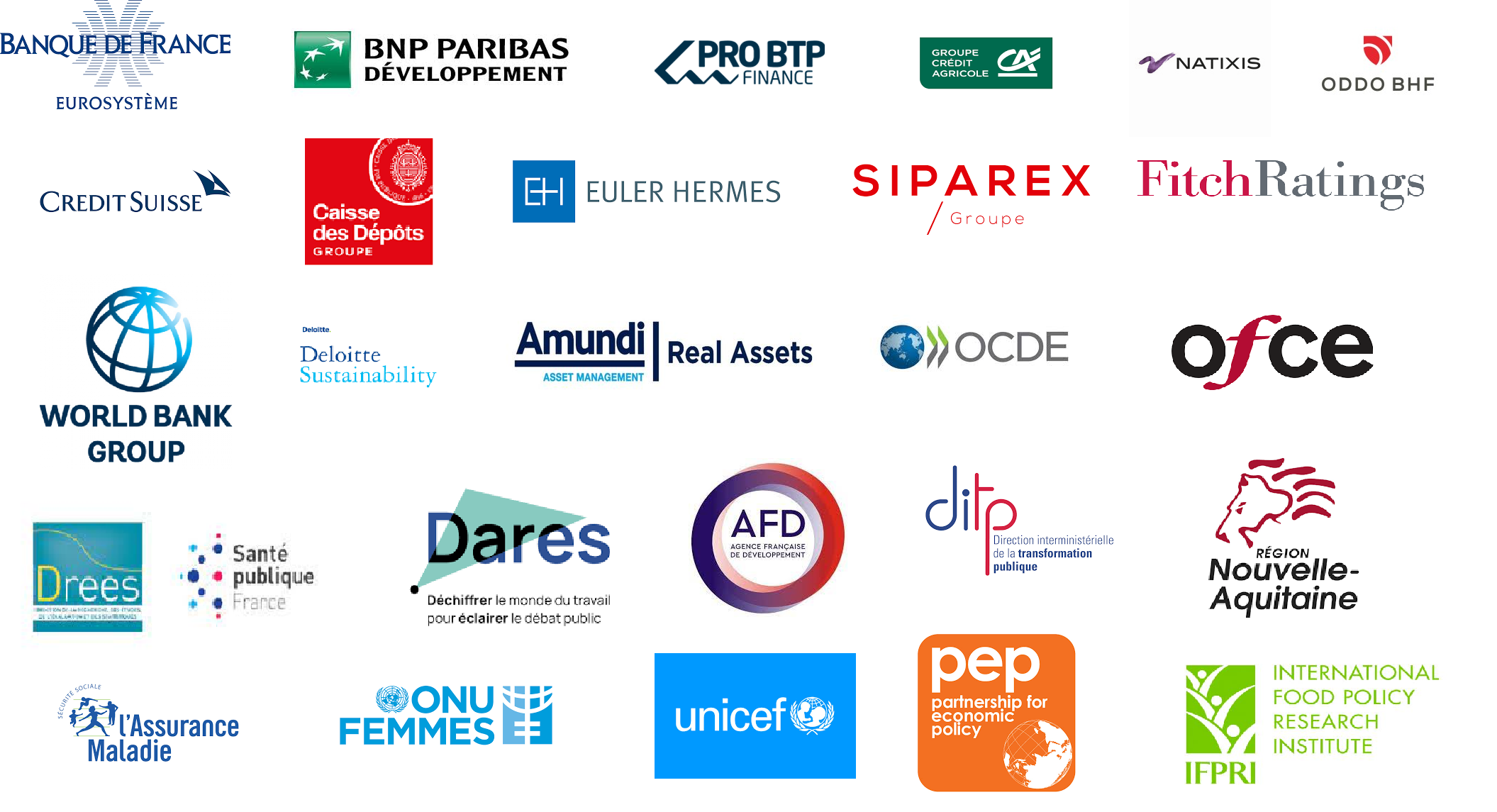
These courses include numerous guest lectures from professionals representing our partner organizations: OECD, French Development Agency (AFD), World Bank, United Nations (UNICEF, FAO, UN Women, UN-WIDER, UNESCO), government research departments (DREES, DARES, etc.), and European observatories and research institutes.

Specialization
Specialization occurs in the third year with the choice of one of two Master 2 tracks:
Public Policy Analysis (APP)
Development Analyst Economist (EADD)

Careers & Opportunities
MAGEVAL leads to a wide range of careers, including: Public Policy Evaluation Officer, Socio-Economic Researcher, Decision-Support Specialist, Survey & Data Manager, Field Research Coordinator, Economist-Statistician, and Specialist Economists (Health, Environment, or Socio-Fiscal issues). Graduates also pursue roles as researchers in Economic Sciences (Public Economics, Evaluation, Development) or as Economic Journalists.
Our graduates find opportunities in diverse sectors: National Ministries, Local and Regional Authorities, European Institutions, and International Organizations (UN, World Bank, IMF, FAO, OECD, ILO). They also join NGOs, Think Tanks, consultancy firms, research centers, and forecasting or evaluation institutes (OFCE, IPP, LIEPP), as well as statistical institutes and financial media.


Explore our Global Outlook
The Magistère is a resolutely international program, featuring small-group language classes, an increasing share of courses taught in English throughout the curriculum, and a mandatory semester of study abroad at the beginning of the second year.
Starting from the very first semester, English courses are designed to strengthen students’ language skills in preparation for their international mobility applications.